





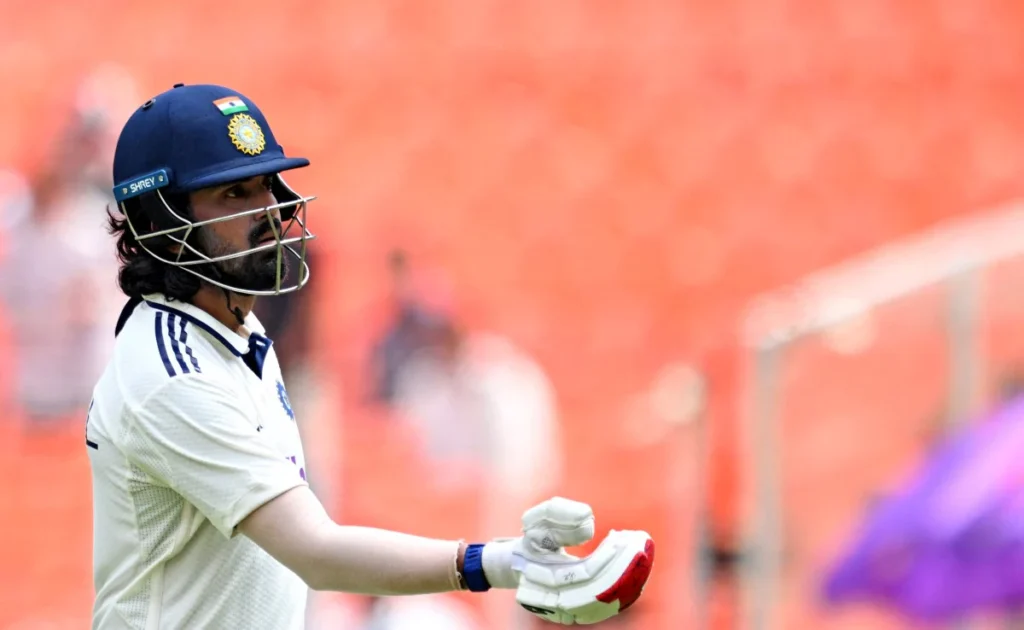
KL Rahul ticked off a landmark in the Delhi Test versus West Indies, joining Rohit Sharma and Virat Kohli in an elite Indian list after crossing the 2,000-run mark in the World Test Championship. The achievement capped a quietly decisive match for India, where Rahul’s poise in the middle order stitched the innings together and kept the scoreboard humming.
The Milestone, In Context
Rahul’s entry into the 2,000-WTC-runs club underscores two traits that have defined his red-ball revival: adaptability across batting positions and the temperament to bat long in pressure phases. He’s done it batting at the top, covering No. 3 when required, and—as in recent Tests—holding the middle with measured risk. Reaching this mark alongside Rohit and Kohli places Rahul among India’s most productive Test batters of the WTC era.
What separates this milestone from a routine number is how it’s been compiled: steady runs overseas, rescue acts at home, and a notable knack for restarting after breaks—coming in cold and still locating rhythm quickly.
How Rahul Shapes India’s Test Template
- Platform builder: When India lose an early wicket, Rahul’s first 30–40 balls are about seam management—covering off-stump, leaving well, and draining the bowler’s patience.
- Gear change on demand: Once set, he expands into square-drives and the pick-up over mid-wicket, turning good balls into ones and twos and punishing anything too full.
- Partnership glue: Rahul’s best contributions often come alongside another set batter—he’s comfortable being either the anchor or the accelerator depending on match state.
This balance—risk when needed, restraint by default—has been central to India stacking 400+ totals consistently.
The Delhi Test: Small Moments, Big Impact
India’s first-innings surge had marquee knocks up top, but Rahul’s passage through the second new ball stood out. He blunted movement, forced the opposition captain to pull a slip, and then cashed in on width to keep the run rate ticking. That passage kept India on the front foot and created time for their spinners to attack later.
In the field, Rahul’s game awareness was visible in the ring—nudging field changes for the spinners, plugging singles, and setting up catchers in the arc when the ball started to grip. Those “one-percenters” don’t show up in a scorecard, but they tilt sessions.
Why This Matters For India’s Roadmap
- Depth without dependence: With Rahul adding bankable middle-order runs to the top-order heft of Shubman/Rohit, India aren’t leaning on one pillar.
- Overseas relevance: The WTC is defined by mixed conditions—Rahul’s leave, patience, and late hands have traveled well to SENA conditions.
- Leadership value: Even without a formal role, he’s a de-facto decision node—settling younger partners and mirroring the team plan under pressure.
What Comes Next
The immediate ask is repetition. If Rahul turns these 40s-and-60s into 90s and hundreds more frequently, India’s first-innings totals leap from “competitive” to “match-defining.” The technique is there—head still, soft hands, decisive feet. The final step is volume: converting set starts into tallies that break games.
For the opposition, this milestone is also a scouting note: starve Rahul early. Fuller lengths just outside off with a packed cordon, then surprise the good-length channel after he plants the front foot. If they miss, he’ll lap up anything marginal.
The Takeaway
KL Rahul’s climb to the 2,000-run mark in the WTC era is less a headline spike and more the curve of a batter who’s learned to win Test moments. In joining Rohit Sharma and Virat Kohli on that elite list, he’s signaled where he intends to live—in the tier where reliability meets range. For a team aiming to stay at the top of the red-ball game, that’s gold.
About The Author




More Stories
Vaibhav Suryavanshi: Bihar’s 14-Year-Old Vice-Captain Making Waves in Ranji Trophy
First in 23 Years: John Campbell Scripts History with Gritty Century Against India
India Tighten Grip as West Indies Face Uphill Battle on Day 4 of Second Test